

Vinyl vs Cassette Revival in 2025: Which Retro Format Actually Wins?
Vinyl vs cassette revival is one of the most interesting format debates in 2025. You see vinyl still growing, but cassettes now have a real comeback backed by Gen Z, big artists, and new hardware releases. If you care about audio quality, collectibility, and the hands-on feel of listening, you need to know what each format does well before you spend more money on records, tapes, or gear.
Vinyl vs cassette in a snapshot
Vinyl delivers better sound, stronger long-term collectibility, and a more “serious” listening ritual than cassette. Cassette wins on portability, price of entry, and DIY recording, with a growing niche scene powered by Gen Z and limited tape runs from major and indie artists. In 2025, vinyl is the mature, premium format; cassette is the scrappy, nostalgic format that’s finally organized enough to matter again.

Audio quality: analog vs analog
From a technical standpoint, vinyl has the edge in frequency response, dynamic range, and long-term stability. Well-pressed records on a decent turntable can cover and exceed the full human hearing range, give you strong dynamics, and hold detail for decades if you store and clean them well. Cassette was designed for voice recording and portability, and you hear those limits right away as higher noise, reduced clarity, and speed instability compared to the source.
Modern cassette decks and fresh Type II or Type IV tapes can sound better than many people expect, but they still sit behind vinyl in resolution and timing. You have more audible hiss, more compression, and more smearing of fast transients, even on a good deck. Over time, magnetic tapes also lose high-frequency detail as they age or get exposed to stray magnetic fields, while a clean, well-stored record from the 1950s can still sound vivid in 2025.
Where cassette does hold its own is in character. Some listeners actually want the lo-fi texture, tape saturation, and gentle softening of edges, especially for indie rock, ambient, or synth-heavy music. Vinyl can give you a sense of weight and presence, but cassettes add a more obvious coloration that feels like an intentional aesthetic choice rather than a pursuit of accuracy.
Noise, wear, and reliability
Vinyl has surface noise, inner groove distortion, and the risk of ticks and pops if you don’t clean or handle your records carefully. But with a decent stylus, good alignment, and basic care, noise stays low and records can deliver thousands of plays without falling apart. Cassette has built-in tape hiss, plus mechanical noise from the deck and the constant risk of stretched, wrinkled, or chewed tape if the transport isn’t in good shape.
Long term, vinyl is more physically stable. You can pull a record that sat upright in a sleeve for 40 years and get excellent sound. The same age cassette might have lost treble, suffered dropouts, or picked up print-through (faint pre-echo) even if it looks fine. For you as a collector who actually plays media instead of just shelving it, vinyl is easier to maintain and easier to “revive” with cleaning tools and a fresh stylus.
Hardware in 2025
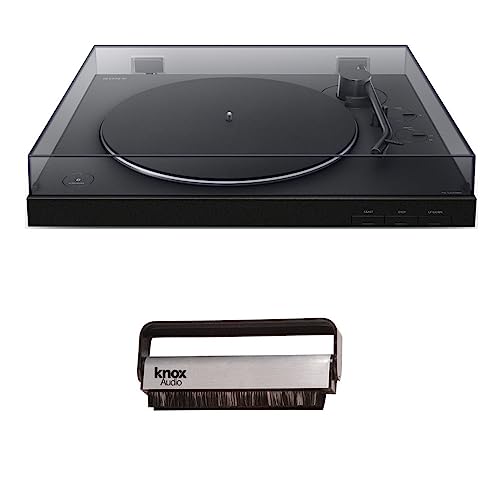
On the vinyl side, 2025 is packed with serious gear at every price level. You can buy well-reviewed turntables like the Pro-Ject Primary E or the Sony PS-LX310BT, along with a range of cartridges and phono preamps, all ready to ship and backed by current support. Audiophile magazines and big tech outlets still test and rank turntables regularly, which gives you a clear upgrade path from entry-level to high-end.
Cassette is catching up from a much lower base. You now see new cassette players from companies like FiiO, We Are Rewind, Tascam, TEAC, and Marantz, including portable players and component decks that don’t rely only on vintage hardware. They focus on solid transports, fresh heads, and support for modern power and connectivity, which makes cassette feel “current” again rather than purely scavenger-hunt gear.
Most vinyl gear is still focused on home listening, even if it includes Bluetooth or Wi-Fi. Cassette hardware leans more into portable listening and “Walkman-style” nostalgia, plus simple line-out connections to powered speakers or small amps. If your priority is a serious, upgradeable listening chain, vinyl hardware is more mature; if you want something you can toss in a bag and play almost anywhere, cassette feels more aligned with that use.


Collectibility and market growth
Vinyl is still the heavyweight for collectible physical music. In many markets, vinyl sales passed CDs years ago and keep trending up, with a global market worth hundreds of millions of dollars and a strong used market for both rare pressings and common catalog titles. Limited editions, colored variants, audiophile pressings, and deluxe box sets keep demand high, especially for rock, jazz, and prestige pop releases.
Cassette is smaller but growing fast. Cassette album sales in the US hit over 436,000 units in 2023, an eightfold jump from 2014, and Q1 2025 alone saw more than 200 percent growth in tape sales. That still represents less than 1 percent of total album sales, but it marks the format as a serious niche instead of a novelty bin item. Big-name artists like Taylor Swift, Ariana Grande, Kendrick Lamar, and Olivia Rodrigo have released titles on cassette, often with exclusive artwork or packaging.
From a long-term value angle, vinyl still looks like the safer bet. The catalog is deeper, pressing quality can be documented, and the collector culture is well established. Cassette collectibility feels more like early vinyl resurgence: focused on limited runs, genre scenes, and emotionally significant albums, with future value driven by scarcity and fandom rather than pure sound fidelity.
Who’s buying what in 2025?
Demographics are one of the biggest differences in the vinyl sound vs. cassette revival story. Vinyl brings in a wide range: older listeners who never left, millennials who grew up with CDs and streaming, and younger collectors chasing big, tangible releases from favorite artists. Cassette skews younger, especially toward Gen Z, who see tapes as a way to personalize music and share it with friends in a more intentional way than sending a playlist link.
Data suggests nearly 60 percent of people aged 18–24 now listen to physical formats, including cassettes. Part of that comes from artist marketing strategies: labels now bundle cassettes with zines, merch, and behind-the-scenes content to create small, curated packages. For you as a buyer, that means vinyl still feels like the “main” physical format, while cassette often plays the role of a themed collectible or emotional keepsake.
User experience: ritual vs spontaneity
Playing a record is a focused act. You pull the jacket, handle the disc by the edges, clean it, cue the needle, then sit within a certain listening position while the album runs. The format encourages you to listen to full sides, read liner notes, and treat the session as a small event, even at home. That ritual is a big reason people say vinyl “feels better,” beyond the sound alone.
Cassette feels looser and more spontaneous. You can toss tapes in a bag, loan them to friends, or leave them in the car without the same fear of warping or shattering. You still get tactile interaction—flipping sides, fast-forwarding, scribbling track lists on the insert—but the energy is closer to sharing an old mix CD than curating a hi-fi listening night.
Rewinding and fast-forwarding is the main annoyance with cassette. You can’t instantly jump to tracks like digital, and it’s slower than dropping a needle at a rough groove location on a record. But for some people, that limitation is part of the charm: you spend more time with an album in order, and you think harder about sequencing when you record your own mix.

Recording and customization
Vinyl is mostly a playback medium for you. Cutting your own records is expensive and specialized, so you rely on labels, mastering engineers, and pressing plants for what lands in your collection. Your control comes later: which pressings you pick, how you organize them, and how you dial in your setup.
Cassette is the writer’s medium. You can record onto blank tapes, copy albums, or build personal mixtapes from streaming, vinyl, or other sources using a decent deck. That DIY angle is a big part of the 2025 cassette revival: small labels run short tape batches, artists sell hand-dubbed or numbered releases, and fans trade mixes like short, curated statements.
If you like the idea of making something tangible with your own hands, cassette offers more creative options. You can still capture live shows, radio sets, or your own playing and end up with an object that feels more permanent than a phone recording. Vinyl can’t compete there without a massive jump in cost and effort.
Practical costs and space
Vinyl is larger, heavier, and more expensive per album. You pay more for new releases, and shipping stacks up quickly, especially for full box sets and deluxe editions. You also need furniture that can handle the weight of dozens or hundreds of LPs and a rack or stand for the turntable, speakers, and electronics.
Cassettes are small, light, and usually cheaper. You can store a lot of tapes in a small apartment or dorm room, and mailing or trading them costs less. Entry-level cassette players are also cheaper than good turntables, which lowers the bar for someone who wants a retro analog format but doesn’t want to commit to a full vinyl rig.
The flip side is durability per dollar. Vinyl can last decades with basic care, so the higher initial spend stretches over a longer life. Cassettes are more fragile at the signal level; they might physically survive but sound worse as they age. When you factor in replacement and the risk of losing a favorite recording to a tape failure, vinyl starts to look like a better long-term value if you listen often.
Table: Vinyl sound vs cassette revival in 2025
So which retro format actually wins?
If you care first about sound, vinyl wins the vinyl sound vs cassette revival debate in 2025. It offers higher fidelity, better dynamics, and more reliable long-term playback, supported by a healthy ecosystem of turntables, cartridges, and accessories you can buy right now. Your money buys a format that can grow with you as you upgrade gear and refine your taste.
If you care more about affordability, portability, and creative recording, cassette makes a strong case. It gives you a cheap analog entry point, a way to create physical mixes for yourself and others, and a connection to a fast-growing subculture where tapes are as much about emotion and art as sound. The audio is weaker on paper, but the vibe is strong enough that many people are happy to trade clarity for character.
For most people who like physical media, the answer is simple: pick vinyl as your main format and treat cassette as a side project. Use records when you want the best sound and the deepest catalog, and reach for tapes when you want to make or share something personal, cheap, and fun. In 2025, vinyl is still the reference retro format; cassette is the cool little cousin that finally showed up again with something interesting to say.


