

The Art of Vinyl Record Collecting: Tips for New Collectors
Vinyl record collecting is a passionate hobby that connects music lovers with a rich, tactile audio experience. For newcomers, starting a vinyl collection can seem overwhelming, but with the right approach, you’ll build a rewarding and personal music archive.
Why Collect Vinyl Records?
Vinyl records offer something digital formats can’t match. The warm sound, large album artwork, and physical connection to music create a unique listening experience. Collectors appreciate the ritual of carefully placing a record on a turntable and experiencing music in its most authentic form.

Getting Started: Essential First Steps
Understanding Record Conditions
Vinyl records are graded by condition, which significantly impacts both their value and sound quality. Here’s a breakdown of common grading terms:
Mint (M): These records are perfect, often still sealed in their original packaging. They’ve never been played and show no signs of wear.
Near Mint (NM): Almost perfect condition. These records may have been played a few times but show no significant signs of use. The vinyl is glossy, and the cover is crisp.
Very Good Plus (VG+): This grade indicates minor surface marks or light scuffs. The record still plays well, with minimal background noise.
Very Good (VG): Records in this condition show more obvious signs of play. You might hear some background noise, but it shouldn’t overpower the music.
Good (G): These records have been well-played and will have noticeable surface noise. However, they should still be enjoyable to listen to, especially for rare finds.
Poor (P): Records in poor condition have significant damage. They may skip, have loud surface noise, or be warped. Generally, only very rare records are worth buying in this condition.
When buying records, always inspect the condition carefully. Look for scratches, warping, and other visible damage. If possible, listen to the record before purchasing. Remember, a record in better condition will not only sound better but will also hold its value better over time.
Equipment Basics
To start your vinyl journey, you’ll need some essential equipment:
Turntable: This is the heart of your vinyl setup. A good turntable will accurately track the record grooves, minimizing wear and delivering the best sound quality. Avoid cheap, all-in-one systems, as they can damage your records over time.
Stereo receiver or powered speakers: If you opt for a receiver, you’ll need passive speakers. Alternatively, powered speakers can connect directly to your turntable (with a phono preamp).

- REMARKABLE SOUND – Enclosed in handcrafted MDF cabinets measuring 8.7″ tall, YU4’s 1” silk dome tweeters and 4” Kevlar d…
- EASY STREAMING – Built-in Bluetooth with Qualcomm aptX technology lets you enjoy high-quality streaming from the palm of…
- VINYL-READY – Equipped with an integrated phono preamp, YU4 can be easily connected to any vintage or modern day turntab…
Phono preamp: Many modern receivers and powered speakers don’t have a phono input. In this case, you’ll need a separate phono preamp to boost the turntable’s signal to line level.
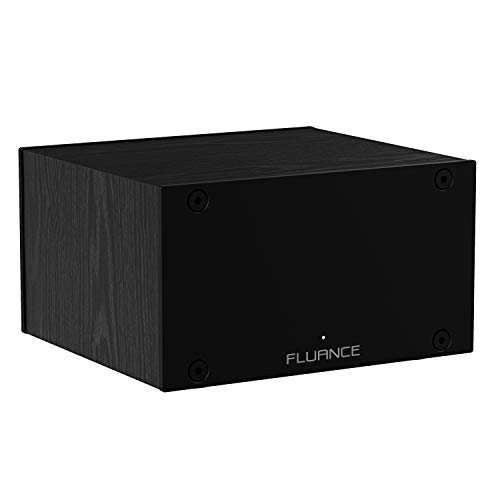
- UNCOMPROMISED PHONO AMPLIFICATION AND EQUALIZATION – Precisely converts the turntable phono signal to line level, featur…
- SOPHISTICATED CIRCUIT DESIGN ENGINEERED WITH PREMIUM COMPONENTS – High accuracy components, low noise power supply, and …
- VIVID STEREO SOUNDSTAGE – Utilizing individual left and right channel OP amps provide optimal channel separation and vir…
Record cleaning supplies: At minimum, get a carbon fiber brush for dry cleaning before each play. For deeper cleaning, consider a record cleaning solution and microfiber cloths.
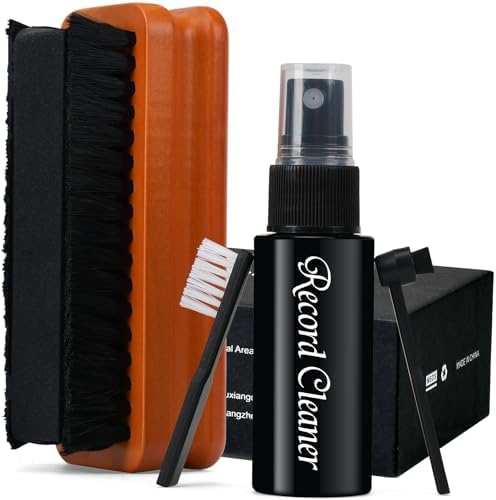
- Patented Design – The record cleaning brush is made with a combination of velvet and microfiber that is tailor-made for …
- Enjoy Pure Music – Super soft velvet brush can reach into grooves, effectively remove dirt, dust and fingerprints. impro…
- Flat Designed – Flat velvet brush has larger contact area with the record, makes cleaning more thoroughly and faster, wh…
Storage solutions: Proper storage is crucial for preserving your records. Invest in good quality inner sleeves and outer sleeves for protection. Store records vertically to prevent warping.
Pro tip: Start with a mid-range turntable. While it’s tempting to go for the cheapest option, a better quality turntable will provide superior sound and be gentler on your records.
Where to Find Vinyl Records
Local Record Stores
Your local record store is a treasure trove for vinyl enthusiasts. These shops offer several advantages:
Expert advice: Store staff often have deep knowledge about music and vinyl. They can guide you to new discoveries and offer tips on record care.
Community: Record stores often become hubs for local music scenes. You might find out about live shows, meet fellow collectors, or even join listening clubs.
Immediate satisfaction: Unlike online shopping, you can inspect and often listen to records before buying.
Support local business: By shopping at local stores, you’re supporting your community’s economy and helping preserve these cultural institutions.
Many record stores also buy and sell used vinyl, offering a chance to find rare gems or out-of-print albums.

Online Marketplaces
The internet has revolutionized record collecting, making it easier than ever to find specific albums or explore new music. Some popular online platforms include:
Discogs: This site is both a database and marketplace. You can research pressings, track your collection, and buy from sellers worldwide.
eBay: A vast marketplace where you can find everything from common albums to rare collectibles. Be sure to check seller ratings and return policies.
Amazon: Offers a wide selection of new vinyl, often at competitive prices. They also have a growing selection of used records.
Specialized vinyl websites: Many online record stores focus on specific genres or eras. These can be great for finding curated selections.
When buying online, always check the seller’s reputation and the record’s condition description carefully.
Thrift Stores and Garage Sales
For the treasure hunters among us, thrift stores and garage sales can be goldmines. While you’re less likely to find pristine, valuable records, you might stumble upon:
Hidden gems: Sometimes, valuable records end up in these sales, unrecognized by the sellers.
Cheap finds: Even if not valuable, you can often find enjoyable records for very low prices.
Unexpected discoveries: You might find albums you’ve never heard of, broadening your musical horizons.

Building Your Collection Strategically
Start with Your Favorite Genres
When beginning your collection, focus on the music you love. This might include:
Rock: From classic rock to indie, the vinyl format has always been closely associated with rock music.
Jazz: Many jazz enthusiasts argue that vinyl captures the warmth and dynamics of jazz better than digital formats.
Classical: The long playing time of 12″ records makes them ideal for classical compositions.
Electronic: Many electronic music producers release special vinyl editions with unique artwork or remixes.
Hip Hop: Hip hop has a strong connection to vinyl, both for the music itself and for the samples used in production.
By starting with genres you’re familiar with, you’ll have a better sense of what to look for and what’s valuable to you personally.
Consider Collecting:
First pressings: These are the first batch of records pressed from the original master. They’re often considered more valuable and sometimes offer the best sound quality.
Limited editions: Records pressed in small quantities, often with special packaging or colored vinyl.
Signed albums: Records autographed by the artist can be valuable collectors’ items.
Genre-specific collections: Some collectors focus on completing collections within a specific genre or era.
Artist complete discographies: Collecting every album by your favorite artists can be a rewarding long-term goal.
Remember, the most important aspect of collecting is enjoying the music. Don’t feel pressured to buy records just because they’re rare or valuable if you don’t enjoy the music itself.
Protecting Your Vinyl Investment
Handling Records
Proper handling is crucial to maintain your records’ condition:
- Always hold records by their edges and the label area. Avoid touching the playing surface.
- Use high-quality inner sleeves to protect records from dust and static.
- Store records vertically to prevent warping. Avoid stacking them horizontally.
- Keep records away from direct sunlight and heat sources, which can cause warping.
- Maintain a consistent temperature and humidity in your storage area. Extreme changes can damage records over time.
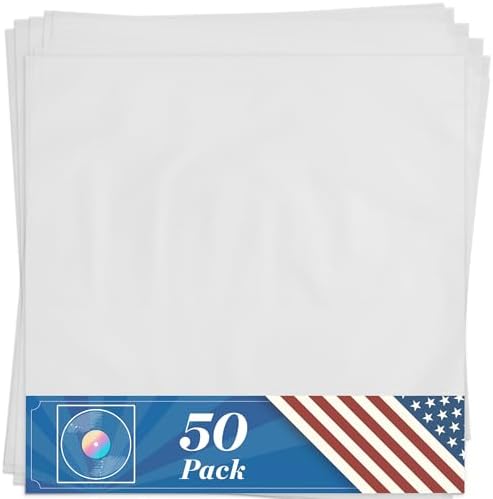
- PURE ANTI STATIC – These ultra-thin HDPE record sleeve covers are soft, static-free, long-lasting & they create less bul…
- PREMIUM ARCHIVAL QUALITY – The acid free, anti-static material makes them the ideal vinyl record jackets to protect your…
- COLLECTION PROTECTION – Audiophiles know to preserve the value of your vinyl you should have inner record sleeves, outer…
Cleaning Techniques
Regular cleaning is essential for maintaining sound quality and preserving your records:
Use a carbon fiber brush before and after each play to remove surface dust. For deeper cleaning, invest in a record cleaning solution designed for vinyl. Apply with a microfiber cloth, following the grooves.
Consider a record cleaning machine for serious collectors. These devices can provide a deep clean without risking damage to the record.
Always use cleaning products specifically designed for vinyl. Household cleaners can damage the delicate grooves.

- Clean and protect your vinyl collection — Our vinyl record brush quickly and easily cleans your records before every spi…
- Enjoy pop, click and hiss-free listening — Eliminate static charges which attract dust and degrade sound quality. A pate…
- Uniquely safe and simple to use — Unlike similar vinyl record cleaner brushes with sharp corners, ours are rounded to pr…
Understanding Vinyl Formats
Record Sizes
7-inch: Typically used for singles, these smaller records usually play at 45 RPM.
10-inch: Less common today, but were popular in the early days of vinyl. Often play at 78 RPM.
12-inch: The standard size for full-length albums, usually playing at 33 1/3 RPM.
Speeds
33 1/3 RPM: The most common speed for full-length albums. Allows for about 22 minutes of music per side on a 12″ record.
45 RPM: Typically used for singles on 7″ records, but some audiophile pressings of albums use this speed on 12″ records for better sound quality.
78 RPM: Used for older recordings, primarily from the pre-1950s era. Requires a special stylus to play.
Budgeting for Your Collection
Price Ranges
New records: Typically range from $20 to $35, depending on the artist and pressing quality.
Used records: Can vary widely, from $5 for common albums in average condition to $20 or more for well-preserved, popular titles.
Rare collectibles: Prices can range from $100 to thousands of dollars for particularly rare or historically significant records.
Money-Saving Tips
Buy used: Often, you can find great deals on used records in good condition.
Watch for sales: Many record stores and online retailers have regular sales or discount days.
Trade with other collectors: Join local collector groups to swap records and expand your collection.
Set a monthly budget: This helps prevent overspending and keeps your collecting sustainable.
Research before purchasing: Know the value of what you’re buying to avoid overpaying.

Technical Considerations
Turntable Features to Consider
Direct drive vs belt drive: Direct drive turntables offer more consistent speed but can transmit more motor noise. Belt drives are quieter but may need occasional belt replacement. A full guide on this here.
Cartridge quality: The cartridge and stylus are crucial for sound quality. Consider upgrading these components for better performance.
Tracking force: Proper adjustment ensures the stylus sits correctly in the groove, minimizing wear and improving sound.
Anti-skate mechanism: This counteracts the tendency of the tonearm to move inward, ensuring even wear on both sides of the groove.
Sound Quality Factors
Stylus condition: A worn stylus can damage records and produce poor sound. Replace it according to the manufacturer’s recommendations.
Cartridge alignment: Proper alignment ensures the stylus sits correctly in the groove, improving sound quality and reducing wear.
Speaker quality: Even the best turntable setup can be let down by poor speakers. Invest in good quality speakers for the best listening experience.
Room acoustics: Consider the placement of your speakers and listening position. Room treatments like acoustic panels can improve sound quality.
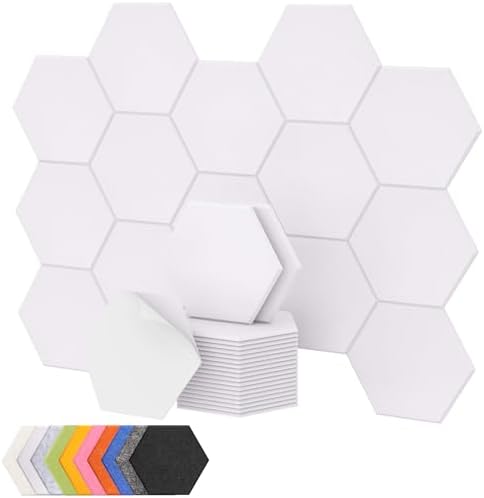
- Superior Noise Reduction: Minimize indoor echo and external noise with these high-density (1700g/m²)100% polyester fiber…
- Safe to Use: Our sound dampening panels are made from 100% polyester fiber, providing waterproof, odorless properties th…
- Customize Your Space: TONOR acoustic panels designed with a hexagonal honeycomb shape that doubles as a stylish decorati…
Advanced Collecting Strategies
Research and Documentation
Keep a detailed inventory of your collection. This helps track what you own and its value.
Stay informed about market values through resources like Discogs and record collector magazines.
Join collector communities online or in person to share knowledge and experiences.
Attend record fairs to find rare items and connect with other collectors.
Investment Potential
Some records appreciate in value over time, particularly rare pressings or historically significant albums.
Limited editions often increase in value due to their scarcity.
Preserve original condition, including sleeves and inserts, to maintain value.
Stay informed about market trends, but remember that predicting future values is never certain.
Common Beginner Mistakes to Avoid
Buying records without listening to them first, when possible.
Neglecting regular cleaning and maintenance of records and equipment.
Overspending on rare records before understanding their true value and condition.
Ignoring the importance of a quality turntable and stylus in preserving records and producing good sound.
Improper storage leading to warped or damaged records.
Technology and Vinyl in 2026
As of 2026, vinyl continues to grow in popularity, defying earlier predictions of its demise. Younger generations, particularly millennials and Gen Z, have embraced vinyl for its tangible nature and perceived superior sound quality. While streaming remains the dominant form of music consumption, vinyl has carved out a significant niche.
Recent technological advancements have made vinyl more accessible. Improved pressing techniques have led to higher quality records, while advancements in turntable technology have made it easier for newcomers to get started with vinyl.
The resurgence of vinyl has also led to a revival of analog recording techniques, with many artists choosing to record and mix their albums specifically for vinyl release.
Despite the convenience of digital formats, vinyl’s unique appeal, including the large format artwork, the ritual of playing a record, and the warm analog sound, continues to attract new collectors and retain long-time enthusiasts.

Conclusion
Vinyl record collecting is a hobby that combines music appreciation, historical preservation, and personal passion. As you embark on your collecting journey, remember to start small, learn continuously, and most importantly, enjoy the process. Your collection will grow over time, reflecting your personal taste and experiences.
Final Tips
Always listen to a record before buying if possible. This ensures you’re happy with the sound quality and condition. Trust your ears. While others’ opinions can be helpful, ultimately your enjoyment of the music is what matters most. Have fun with your collecting. Don’t get too caught up in the pursuit of perfection or value, and remember, the joy of music is the real treasure. Vinyl collecting can be a great way to broaden your musical horizons.


