

The Art of Vinyl Record Pressing: How Manufacturing Affects Sound Quality
Vinyl records offer a listening experience that digital formats can’t quite match. But if you curious how they sound so great, you need to understand how the pressing process shapes the sound. The art of vinyl record pressing is a mix of science, skill, and craftsmanship. Every step, from mastering to the final press, impacts the grooves that carry your music. This article explores the technical details behind vinyl pressing, the history, common issues, and how you can spot and care for quality pressings.
A Brief History of Vinyl Record Pressing
Vinyl records evolved from shellac discs in the mid-20th century. Early records were thick and heavy but prone to surface noise. The introduction of polyvinyl chloride (PVC) in the 1940s improved durability and sound quality. Over decades, pressing techniques advanced, but the core process remains similar: transferring sound from a master to a physical disc.
The resurgence of vinyl in recent years has sparked renewed interest in pressing quality. Collectors and audiophiles now demand pressings that honor the original sound with minimal noise and distortion.

The Mastering Stage: Setting the Foundation
Before pressing, the audio undergoes mastering specifically for vinyl. This step differs from digital mastering because vinyl has physical limitations:
- Frequency range: High frequencies above 15 kHz can cause distortion if not handled carefully.
- Bass: Excessive bass can cause the needle to jump out of grooves.
- Stereo separation: Extreme stereo effects can widen grooves too much, causing tracking issues.
Mastering engineers use specialized equalization curves, like the RIAA curve, to balance frequencies. They also compress dynamic range to fit the music within vinyl’s physical constraints without losing detail. The result is a master lacquer disc, which serves as the template for pressing.

From Master to Stamper: Creating the Mold
The master lacquer is fragile, so it’s electroplated to create metal stampers. This process involves:
- Silvering: Coating the lacquer with a thin layer of silver to conduct electricity.
- Electroforming: Bathing the lacquer in a nickel solution to build a metal negative (the stamper).
- Separation: Removing the lacquer, leaving the metal stamper with grooves in reverse.
Stampers are the molds that press the grooves into vinyl. Their quality directly affects groove accuracy. Any damage or wear on the stamper transfers to every record pressed from it.

The Pressing Process: Heat, Pressure, and Precision
Pressing plants use hydraulic presses to shape vinyl discs:
- PVC pellets melt into a “biscuit” or puck.
- The puck is placed between two stampers (one for each side).
- Heat and pressure press the vinyl into the grooves and fuse labels onto the disc.
- The record cools and is trimmed to size.
Precision matters. Temperature must be high enough to mold vinyl but not so high that it degrades. Pressure must be even to avoid warping or uneven grooves. The timing of pressing affects groove formation; too fast or too slow can cause defects.

Groove Geometry: Depth, Width, and Shape
Grooves carry the analog waveform of the music. Their geometry affects playback:
- Depth: Deeper grooves hold more information, reducing surface noise and distortion.
- Width: Wider grooves allow for greater dynamic range but limit playing time per side.
- Shape: The groove walls’ angle impacts how the stylus tracks the signal.
If grooves are too shallow or narrow, the stylus may mistrack, causing distortion or skipping. Pressing plants must balance groove size with album length and sound quality.
Vinyl Weight and Thickness: Does Heavier Mean Better?
You’ve probably heard about 180-gram vinyl being “better.” Heavier vinyl is thicker and less prone to warping. It also dampens vibrations during playback, which can reduce resonance and improve clarity. However, weight alone doesn’t guarantee better sound. The quality of the mastering, pressing, and materials matters more.
Vinyl Formulations: More Than Just PVC
Not all vinyl is created equal. The formulation of the vinyl compound affects sound and durability. Most records use a blend of PVC, plasticizers, and stabilizers. Some pressing plants add carbon black to improve conductivity and reduce static buildup.
Higher-quality formulations reduce surface noise and improve groove fidelity. Budget pressings may use recycled vinyl or lower-grade compounds, resulting in more noise and shorter lifespan.
Surface Noise and Defects: What Causes Them?
Surface noise—those pops, clicks, and crackles—comes from:
- Material impurities: Dust or debris in the vinyl mix.
- Stamping defects: Scratches or wear on the stamper.
- Pressing errors: Uneven pressure or temperature.
- Handling: Scratches from poor storage or cleaning.
High-quality plants use clean rooms and strict quality control to minimize these issues. Still, some surface noise is inherent to vinyl’s analog nature.
Common Issues in Pressing Plants
Not all pressing plants operate with the same standards. Common problems include:
- Off-center pressings: Cause pitch fluctuations (wow and flutter).
- Warpage: Results from uneven cooling or storage.
- Label misalignment: Mostly cosmetic but can indicate sloppy production.
- Inconsistent vinyl mix: Leads to brittle or noisy records.
Choosing pressings from reputable plants can reduce these risks.

Comparing Pressing Plants: How They Affect Sound
Different pressing plants have varying reputations. Some known for quality include:
- GZ Media (Czech Republic): One of the largest, known for consistent quality.
- MPO (France): High-end pressings with attention to detail.
- QRP (USA): Popular with indie labels for quality control.
Pressing plants use different equipment and processes, impacting groove precision and surface finish. Audiophiles often seek pressings from plants with proven track records.
Troubleshooting Common Playback Issues
Sometimes, even a good pressing can sound off. Here’s what to check:
- Warping: Causes pitch wobble and skips. Fix by gently heating and flattening or replacing the record.
- Dust and dirt: Leads to crackles and pops. Clean with a record cleaning brush or wet cleaning system.
- Stylus wear: A worn needle can distort sound. Replace regularly.
- Tracking force: Too heavy or light can cause distortion or skipping. Adjust according to cartridge specs.
How to Identify Quality Pressings
When buying vinyl, look for:
- Mastering credits: Records mastered specifically for vinyl often sound better.
- Weight: Heavier vinyl usually indicates better pressing.
- Pressing plant info: Some releases list the plant on the sleeve or label.
- Reviews: Collector forums and Discogs provide user feedback.
- Test plays: Listen for surface noise, distortion, and tracking stability.
Caring for Your Vinyl: Cleaning and Storage
Even the best pressing needs care to maintain sound quality:
- Cleaning: Use a carbon fiber brush before and after playing to remove dust. For deeper cleaning, consider kits like the AudioQuest Anti-Static Record Brush.
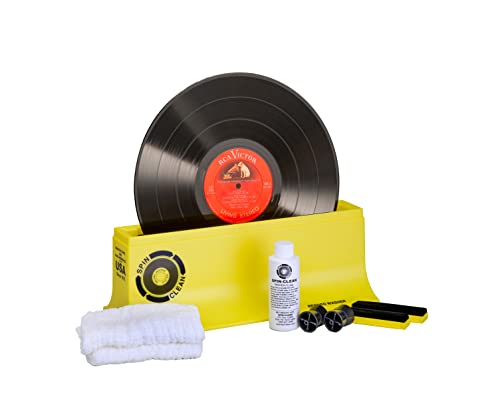
- Wet cleaning: Use a Spin-Clean Record Washer MKII or similar wet cleaning system for stubborn grime.
- Storage: Store records vertically in sleeves, away from heat and direct sunlight.
- Handling: Hold records by the edges to avoid fingerprints on grooves.


Insights from Industry Experts
John Smith, a pressing plant technician with 20 years of experience, says:
“The key to a great pressing is consistency. Every step, from mastering to pressing, needs attention. Even small variations in temperature or pressure can change the sound.”
Mastering engineer Lisa Chen adds:
“Mastering for vinyl is an art. You have to balance the music’s energy with vinyl’s physical limits. If done right, the result is a warm, dynamic sound that digital can’t replicate.”
Collector and vinyl enthusiast Mark Reynolds shares:
“I’ve noticed that some plants just have a certain vibe. Records from MPO or GZ Media often feel more alive. It’s not just about weight or mastering—it’s the whole process.”
How Pressing Influences Collectibility and Value
Pressing quality also affects a record’s collectible value. First pressings or limited editions from reputable plants usually command higher prices. Mispressings or flawed pressings can be less desirable unless they become rare anomalies. Knowing the pressing details helps collectors make informed choices.

The Future of Vinyl Pressing
Vinyl pressing technology continues to evolve. Some plants experiment with:
- Direct metal mastering (DMM): Cutting grooves directly into metal for sharper sound.
- Hybrid vinyl: Using different compounds to reduce noise.
- Laser cutting: For more precise groove formation.
While digital formats dominate, vinyl’s tactile and analog appeal keeps pressing innovation alive.
Final Thoughts
The art of vinyl record pressing combines technical precision and craftsmanship. From the mastering engineer’s adjustments to the pressing plant’s control of heat and pressure, every detail shapes your listening experience. Knowing what goes into pressing helps you appreciate your vinyl collection more and guides you to better purchases. Treat your records well, and they’ll reward you with rich, detailed sound for years.


