

Experiencing Spatial Audio and Quadraphonic Vinyl on Vintage and Modern Setups
Experiencing spatial audio with quadraphonic records on both vintage and modern setups rewards you with a full surround sound vinyl adventure. This guide will teach you how to find, play, and decode quadraphonic LPs, so you can tap into a layer of vinyl listening many never try.
What Is Quadraphonic Vinyl?
Quadraphonic records deliver four-channel sound—front left, front right, rear left, and rear right. This gives you a type of spatial audio. Most records and systems use stereo, which plays sound through two channels, left and right. Quadraphonic setups put you in a sound field, placing instruments around the room. Think of it as early surround sound for vinyl.

The Different Quadraphonic Formats
Quadraphonic vinyl isn’t one-size-fits-all. Four main systems were used:
- SQ (Stereo Quadraphonic): Encodes four channels into two and plays back with a decoder. Common on Columbia/CBS releases.
- QS (Regular Matrix): Another matrix system, mostly found on Japanese and some U.S. records.
- CD-4 (Compatible Discrete 4) or Quadradisc: Keeps all four channels separate. Needs a special cartridge and demodulator.
- UD-4: A little-seen discrete system with dedicated equipment, mainly in Japan.
Each format requires its own decoder or demodulator for proper four-channel playback.
How To Find Quadraphonic Records
Start with classic rock, jazz, and classical LPs from the 1970s. Labels often add “quad” or “SQ,” “QS,” or “CD-4” to the cover or label. Look for albums by Pink Floyd, Black Sabbath, Santana, and classical releases from CBS, RCA, or Vanguard. Many used record shops list quad LPs in a separate section. Online marketplaces let you search by these keywords.
If shopping online, always read the description—many sellers specify the quad format. Amazon and Discogs offer modern reissues and vintage LPs alike.
Top Quadraphonic Albums Worth Tracking Down

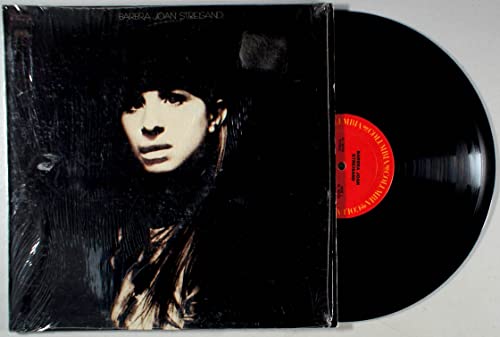
![Greatest Hits[Quadraphonic Mix LP]](https://m.media-amazon.com/images/I/51Z6CBZPKdL._SL500_.jpg)



Setting Up a Vintage Quadraphonic System
You’ll need:
- A quad-capable amplifier or receiver (vintage units from Sansui, Pioneer, Marantz, or JVC)
- Four speakers of matched type and placement—one for each corner of your room
- The right decoder or demodulator (SQ/QS/CD4, depending on the album)
- For CD-4, a cartridge that tracks up to 45 kHz, plus a discrete demodulator
Many vintage quad receivers combined stereo and quad decoding. SQ and QS records can play on standard stereo setups, but you’ll only get surround from the right decoder. CD-4 records require more: a special stylus and cartridge capable of high-frequency output, and a matching demodulator between turntable and amp.
Vintage setups can be found used or refurbished. Check condition before buying. Some enthusiasts restore old quad gear or sell rebuilt units online.
Using Modern Equipment To Decode Quadraphonic Vinyl
Modern receivers do not include analog quad decoders. You’ll need a standalone decoder or a modern kit. Involve Audio makes new hardware decoding boards for four-channel playback. You connect your turntable’s outputs, plug into four powered speakers, and let the decoder separate channels.
CD-4 remains tricky. Few new cartridges reach the 45 kHz needed for proper separation. Look for Audio-Technica VM quad models or vintage Shure cartridges. New elliptical or line-contact styluses still work, as long as they’re rated for CD-4. Some companies sell updated demodulators you can interface with modern amps.
For QS and SQ, matrix decoders occasionally turn up new—but vintage units perform well. Get one with the correct inputs for your stereo chain.
Four-Speaker Placement and Calibration
Arrange your four speakers in a square or rectangle, equidistant from your seating position. Angle each toward the center of the listening area. The sound field should surround you, not blast from behind.
Level match all speakers. Many quad decoders let you adjust rear channels independently. Use a test record or pink noise to set each speaker to the same volume.
If your space is tight, adjust speaker distance and toe-in to create the widest possible sweet spot.

Playing Quadraphonic Records
- Clean your record thoroughly. High-frequency CD-4 signals are sensitive to dirt and dust.
- Start with your stylus lowered for CD-4 and check your decoder’s operation.
- SQ and QS records play just like stereo. Start the record and the decoder routes sound automatically.
- Adjust volume so all speakers are active.
- Listen for sounds moving around the room, extra instrument placement, and immersive effects.
- Don’t crank up levels until everything tracks smoothly.
Modern Quadraphonic Releases and Spatial Experiments
A small but growing group of artists and reissue labels now press quad vinyl or spatial mixes. Suzanne Ciani’s quad LPs come with a hardware decoder for a true four-channel effect. Some live albums or electronic releases embrace spatial audio, reviving multi-speaker listening rooms.
Contemporary gear like Involve Audio’s decoder makes new quad experiences accessible on powered speaker systems without vintage components. Keep an eye out for possible reissues or new experiments—especially in electronic or experimental genres.
Can You Rip or Stream Quadraphonic LPs?
Vinyl rippers can “capture” the encoded quad mix to digital, but decoding happens at the analog stage. Recording a CD-4 record with standard gear only preserves the stereo mix. Proper decoding first, then digitizing, gets the best results.
A few streaming platforms experiment with spatial or multi-speaker audio, but they don’t support classic quad vinyl decoding yet.
Troubleshooting Quadraphonic Vinyl Playback
- No surround effect? Check your decoder type, connection, and make sure you’re playing a real quad record.
- Dropouts or distortion on CD-4? Clean stylus and record, check cartridge frequency rating, adjust tracking force.
- Imbalance between speakers? Calibrate output on your receiver or decoder, move speakers for symmetry.
Many issues stem from mismatched gear—quad records need their matching decoder and setup.
Where To Buy Gear and Records
Amazon lists select new and used quad record players, decoders, cartridges, and speakers. Look for Audio-Technica or Ortofon quad cartridges, Involve Audio decoders, and Audio-Technica turntable models with removable headshells for easy upgrades.
Vintage gear pops up on secondary markets or through specialist refurbishers. Shopping for quad LPs? Amazon, Discogs, and eBay host many listings.
Tips Before You Start
- Review your listening room and speaker space before buying extra gear.
- Pick a format (SQ, QS, CD-4) that matches your interest and budget.
- Clean records thoroughly and regularly replace stylus tips.
- Read forums like Quadraphonic Quad for troubleshooting.
Listening to quadraphonic LPs taps into the roots of today’s spatial audio. Playing these records brings music to life in surprising ways, whether you use vintage receivers or modern decoders with powered speakers.


