

The Impact of Platter Speed Accuracy on Pitch and Timing: Why Consistent RPM Matters When Playing Vinyl
Platter speed accuracy shapes the way you hear music from your records. Every turntable spins the platter at a set rate, usually 33⅓ or 45 revolutions per minute. If speed varies even a little, pitch and timing shift. That means your music might sound fast or slow — sometimes just a little, sometimes a lot.
Different turntables manage speed depending on their motors and drive systems. Belt-driven models rely on elastic belts, direct-drive units use motors fixed to the platter. When speed drifts, you immediately hear pitch changes and rhythm distortion.
How Speed Accuracy Affects Pitch
When platter speed is accurate, pitch stays true. Any deviation from the correct RPM means the music’s notes shift higher or lower. A change of just 3.3% can move pitch a half step — that’s enough to make instruments sound off and vocals a bit out of tune.
This isn’t subtle: DJs, musicians, and listeners spot small pitch changes right away, especially with piano and vocals. Timing also lags or speeds up, making familiar songs sound odd. Consistent speed keeps your records faithful to the original recording.

Timing and Musical Flow
Consistent platter speed keeps timing tight. If the turntable runs fast, songs end early and percussion sounds hurried. When speed drags, everything slows, losing drive and impact. Fast changes in speed are called “flutter,” while slower changes are “wow.” Both types ruin rhythmic accuracy, causing wobble or shimmer in the sound.
You’ll notice timing problems most on records with steady beats, like electronic music or jazz. Even casual listeners pick up the difference.
Common Sources of Speed Problems
Several turntable parts can affect platter speed accuracy:
- Platter Weight: Lighter platters wobble and drift more, while heavy platters resist speed changes due to greater inertia.
- Motor Quality: Cheap motors drift, while precision DC or quartz-controlled models hold speed better.
- Belt Wear: Old or stretched belts slip and change speed unpredictably.
- Drive System: Direct-drive motors respond quickly, belt drives may need manual adjustment or replacement after years.
- External Vibration: Any bumps, movement, or poor isolation affects rotation, changing speed and pitch.
Checking and Measuring Platter Speed
To check platter speed accuracy at home:
- Use a strobe disc and light source. If the platter speed is true, markings remain stationary; if not, adjust as needed.
- Download a speed-checking app (RPM Speed & Wow, ios/android) and place your phone on the platter. Apps track and report your turntable’s RPM.
- Listen closely. If pitch or tempo seems odd, or if piano and vocals shimmer, you may have speed issues.
- Compare your vinyl playback with a digital recording. Any mismatch usually means a speed problem.
Correcting Speed Inaccuracies
If your turntable isn’t keeping accurate speed:
- Replace worn belts on belt-drive models.
- Adjust direct-drive motors using pitch sliders or calibration screws.
- Clean and lubricate moving parts.
- Check platter for warping or looseness.
- Upgrade the motor or power supply for better speed stability.
Products Noted for Speed Accuracy
Models and accessories known for precise speed control (available on Amazon):
- Technics SL-1200Mk7: Legendary pitch stability, used by DJs and audiophiles worldwide.
- Audio-Technica AT-LP120XUSB: Precise pitch slider, easy speed calibration, quartz-lock motor.
- Rega Planar 3: Reliable belt drive, stable speed, plus replacement belts for easy repairs.
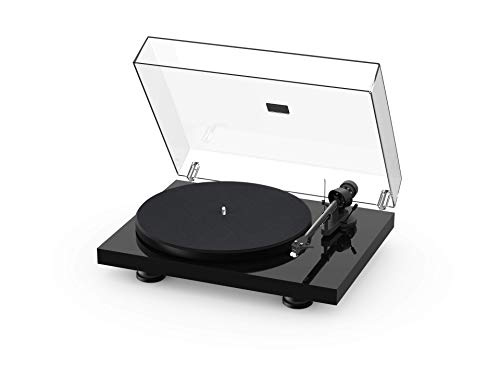
- Pro-Ject Debut Carbon EVO: Heavy platter, precision DC motor, very low wow and flutter rating.
- Speed Strobe Discs and RPM Test Apps: Essential accessories for monitoring accuracy.


Recommended Features in Turntables
When shopping, target these specifications:
- Quartz-Locked or DC Motor: Provides steady, repeatable rotation.
- Heavy Platter: Minimizes speed drift, keeps rhythm and pitch stable.
- Low Wow and Flutter: Look for less than 0.15% wow and flutter, preferably lower.
- Pitch Control: Lets you fine-tune rotation for exact playback.
Impact of Speed Instability on Sound Quality
Speed instability affects sound far beyond pitch problems:
- Pitch Wavering (“Wow”): Notes wobble, music feels unstable.
- Tempo Distortion: Songs sound rushed or sluggish.
- Loss of Clarity: Detail, bass tightness, and stereo imaging suffer.
- Listener Fatigue: Irregular rhythm and pitch confuse your brain, making long listening sessions tiring.
Speed errors can transform rich records into flat, lifeless experiences. For best playback, demand consistently accurate speed.
The Role of Platter Weight and Design
Heavier platters and dense materials (aluminum, acrylic) help maintain speed. Mass provides inertia, resisting accidental changes in RPM. Thick platters also dampen vibration, making playback quieter and cleaner.
Some models pair weighted platters with low-resonance mats for even greater speed stability. The result: solid pitch, correct timing, and more lifelike music.
Direct-Drive vs. Belt-Drive for Speed Accuracy
Direct-drive turntables tie the motor directly to the platter. These models offer fast response and great pitch control, with minimal drift. DJs prefer direct-drive decks for pitch accuracy, using strobe lights and pitch sliders.
Belt-driven turntables can be reliable, too, but speed depends on belt condition and motor quality. Heavy platters offset belt slip, keeping RPM stable. Always check belt alignment and wear. You can find the full guide on both drives here.

Troubleshooting Platter Speed Accuracy
If playback feels off, do the following:
- Check platter balance, especially after moving the turntable.
- Use your strobe disc and app. Make small adjustments with the pitch slider or motor calibrator.
- Replace belts if playback speed drifts.
- Clean and lubricate bearing and spindle.
- Upgrade platter weight or material for added inertia.
Regular attention maintains consistent performance.
Keeping Your Vinyl Experience Authentic
Platter speed accuracy is what makes vinyl playback sound right. When your turntable spins at the correct RPM, every note stays true, every rhythm stays tight, and your records play the way they were meant to be heard. Speed drift breaks that connection, pulling pitch and timing out of sync in a way you instantly notice. Keeping your platter steady doesn’t call for expensive tools—just regular checks, a healthy belt or motor, and attention to setup. In a hobby built around precision and feel, platter speed accuracy reminds you why vinyl remains such a rewarding, tactile way to hear music.


